
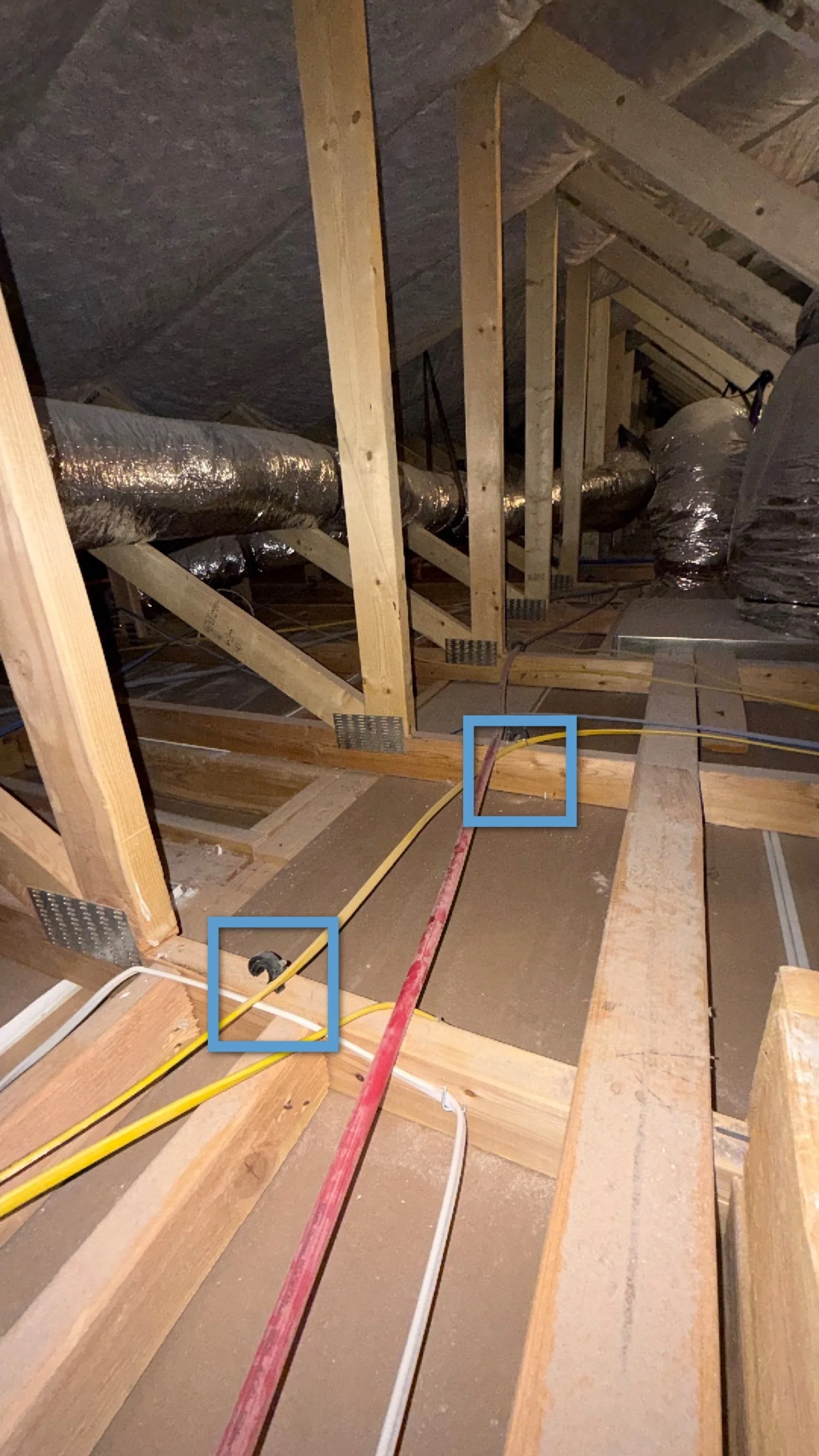
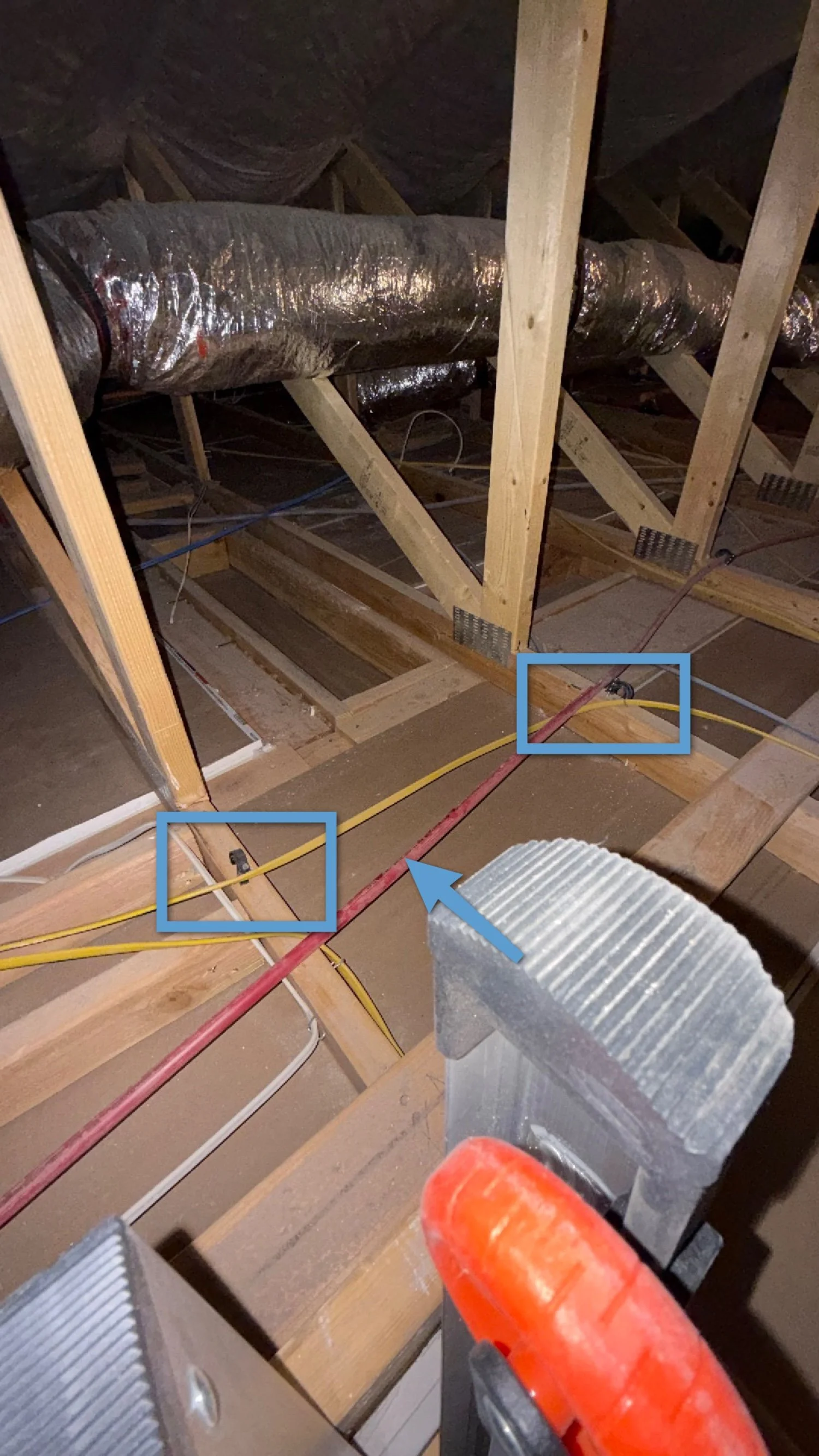
On a recent home inspection in Las Vegas, we found water supply lines running across the attic that weren't secured to the framing at regular intervals.
What This Means For You
Many Las Vegas homes have their water lines run through the attic to reach the bathrooms, kitchen and laundry. These lines should be strapped or braced to the framing along the way so they stay put.
When sections are left loose, the lines can shift and move every time water turns on or off.
Why It Matters
When a faucet or appliance valve closes quickly, the water rushing through the pipes stops suddenly and pushes back. This is called water hammer. Loose lines can jump, rattle and knock against the framing when it happens.
Over time, that movement can:
- Rub the lines against wood or metal
- Put stress on fittings and connections
- Cause knocking or banging noises in the walls and ceilings
A leak in the attic can go unnoticed until it shows up as a stain on the ceiling below. Las Vegas attics also get extremely hot in the summer, which makes plastic water lines softer and good support even more important.
What We Typically Recommend
We recommend having a plumber add straps or brackets along the water lines at proper intervals. It's usually a quick fix.
For a new home, bring it up with your builder before closing or during your 11-month warranty inspection. If you already live in the home and hear banging in the pipes when water shuts off, loose lines or high water pressure could be part of the cause.
Main Takeaway for Las Vegas Home Buyers
Most people never go up into their attic, so loose water lines can go unnoticed for years. Securing them is simple, and it helps protect the lines, the fittings and the ceilings below.
A professional home inspection includes the attic, so issues like this get caught while they're still easy to fix.
