
Water Stains Inside the HVAC Catch Pan
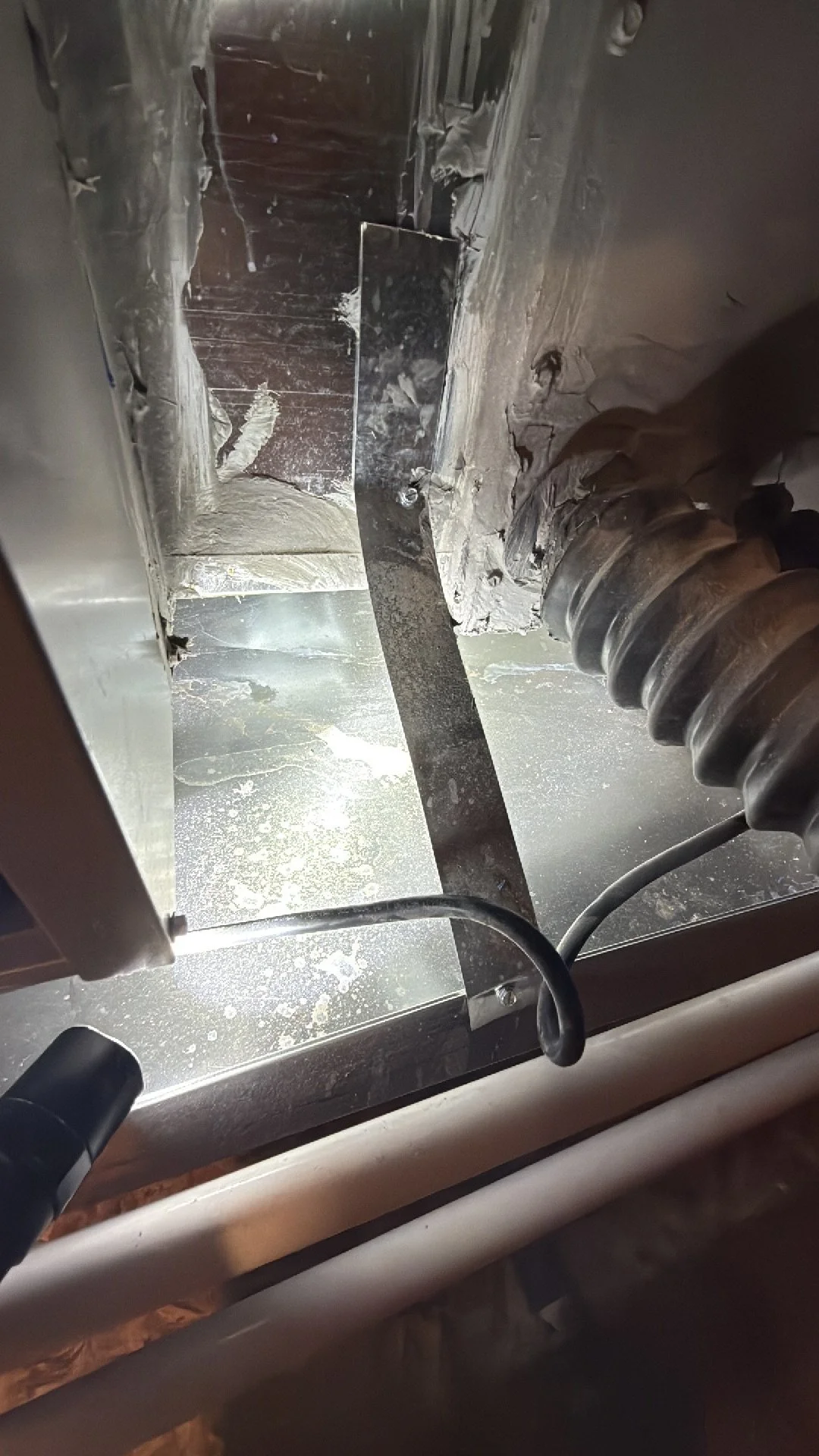
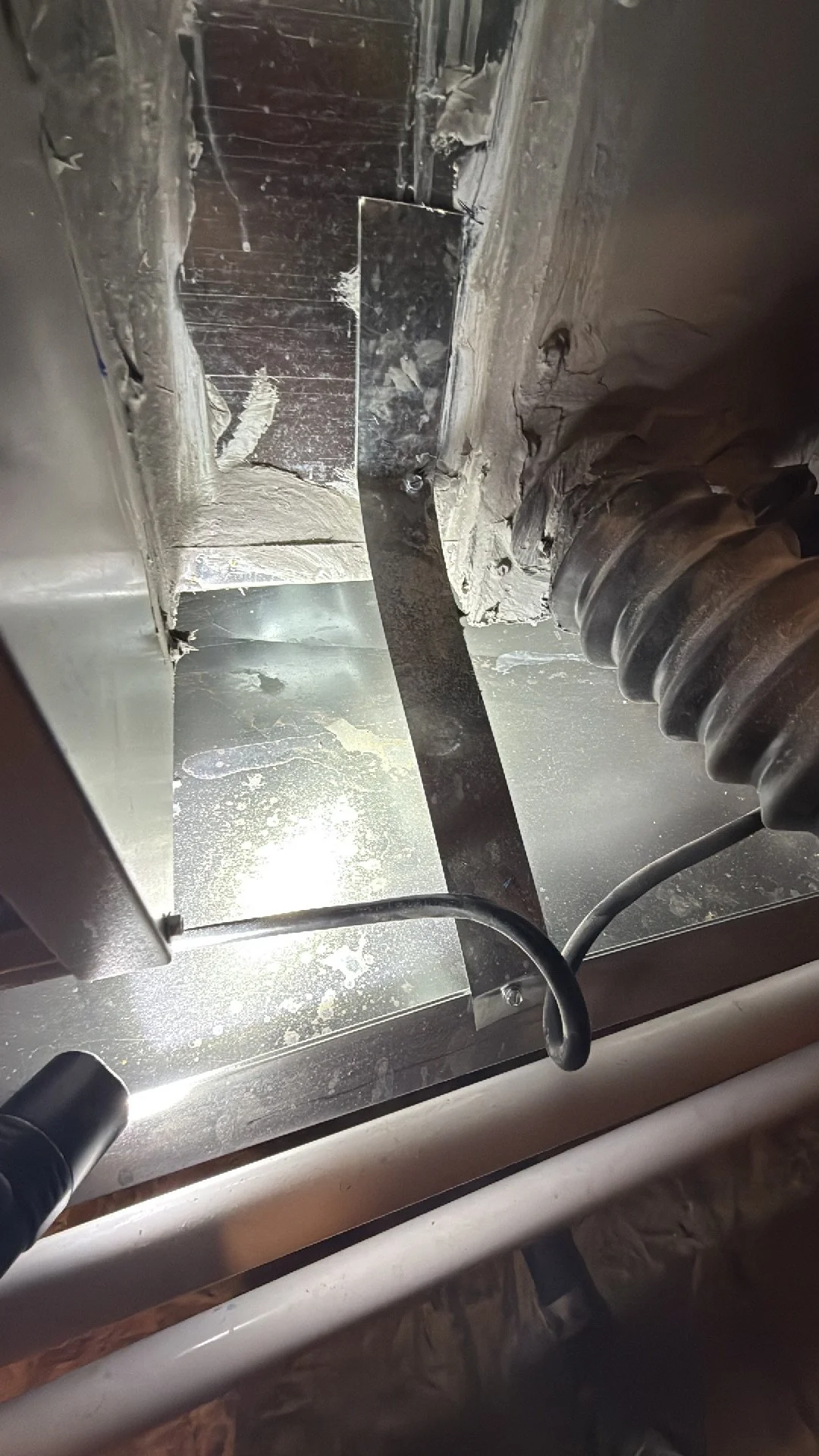
During a recent new construction inspection in Las Vegas, we found water stains inside the catch pan under the home's forced air unit. The HVAC system was brand new, so this was worth pointing out.
What This Means For You
Your air conditioner pulls moisture out of the air as it cools. That water normally drips into a drain pan inside the unit and flows out of the home through a condensate drain line.
The catch pan, sometimes called a secondary or auxiliary drain pan, sits underneath the unit as a backup. It's there to catch water if the main drain gets clogged or overflows. Ideally, it stays dry.
Why It Matters
Water in the backup pan this early in the system's life may mean something isn't draining the way it should. A partially blocked drain line, a unit that isn't sitting level or a loose connection can all cause it.
HVAC professionals don't all agree on this one. Some see any water in the catch pan as a sign of a problem. Others consider a small amount normal, since the pan is designed to collect extra condensation. Either way, it's worth having someone take a closer look.
In Las Vegas, air conditioners run hard for months at a time, and many units sit in the attic or above living space. If a catch pan ever overflows, the water can stain ceilings, damage drywall and lead to mold.
What We Typically Recommend
For a new home, we recommend bringing this to your builder's attention so their HVAC contractor can check that the system is draining properly.
For a resale home, have a licensed HVAC contractor check the condensate drain line, make sure the unit is level and look over the pan. Many systems can also have a float switch added, which shuts the AC off if the pan starts to fill with water.
Main Takeaway for Las Vegas Home Buyers
A few water stains in a pan might not look like much, but they can be an early sign that your AC isn't draining the way it was designed to. Catching it now is a lot easier than repairing a water-stained ceiling later.
A professional home inspection looks at the HVAC system and its drainage, so you can get questions like this answered before you move in.
