
Sealing Gaps Around Dryer Ducts and Gas Lines
A pre-drywall inspection in Las Vegas is the best time to catch small openings in the building envelope before they get covered by insulation and drywall. These “little gaps” are easy to ignore during construction, but they can affect comfort, cleanliness, and even pest control once you move in.
During a recent pre-drywall inspection, we noted gaps around the dryer duct and gas line where they pass through the wall. In plain terms, the openings around those penetrations were not sealed tightly, leaving small pathways between the inside of the home and the outdoors (or wall cavity).
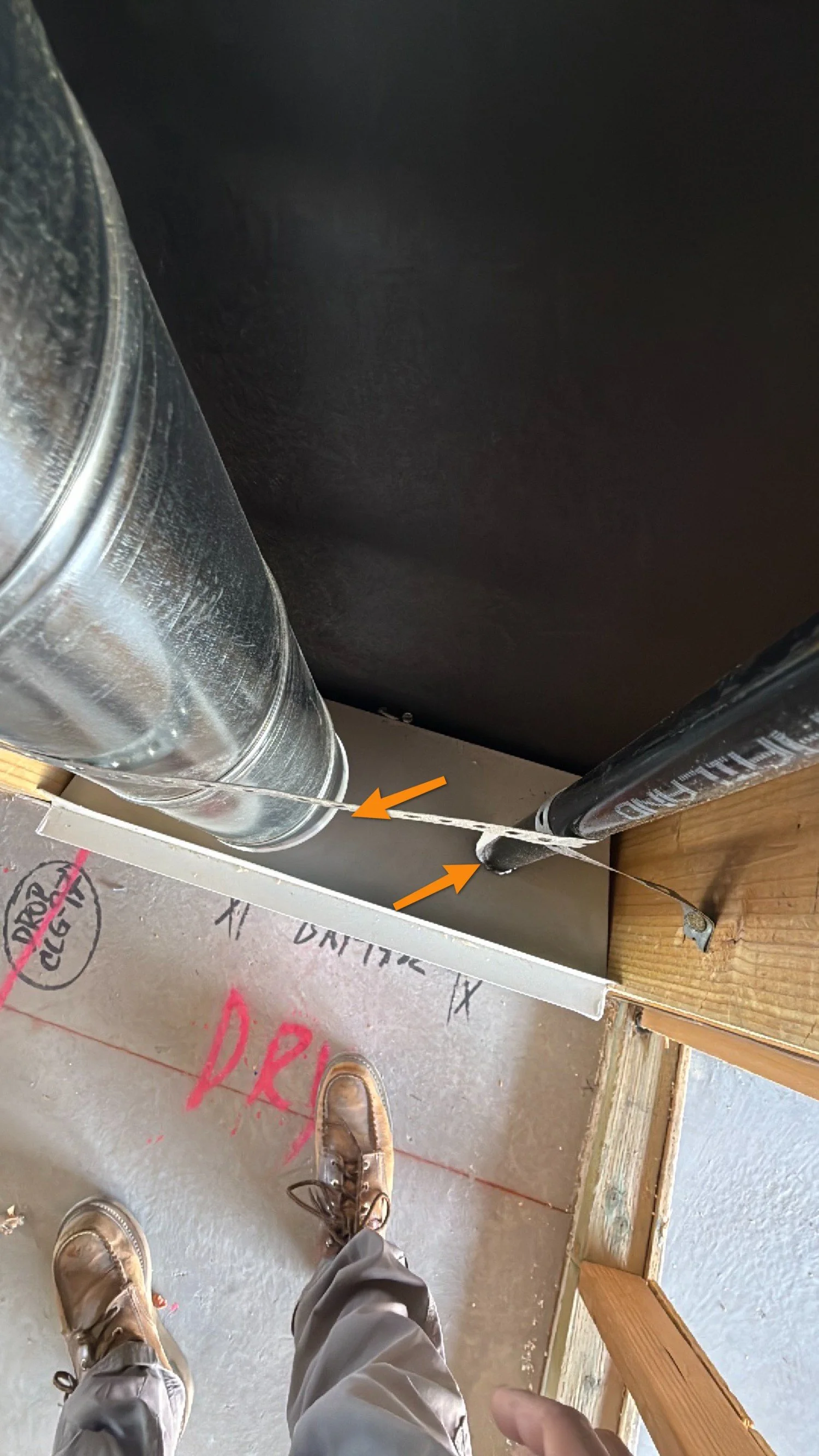
Gaps around dryer ducts and gas lines may look minor, but they can allow outside air, dust, and pests into the home
What This Means For You
Anytime a duct, pipe, or line passes through an exterior wall, there is usually a cutout around it. If that cutout is left unsealed, it can act like a tiny “open window” that you may never see because it is behind finishes.
Here are common issues that can come from these small gaps:
Outside air leaking into the home, which can make certain rooms feel drafty
Dust and debris getting pulled in from wall cavities or exterior openings
Bugs or small pests finding an easy entry point
Hot air infiltration during summer and cooler air infiltration during winter
HVAC systems working harder to keep the home comfortable
In Las Vegas, where air conditioning runs heavily for much of the year, even small air leaks can add up over time.
Why it Matters
Sealing penetrations is one of those basic construction steps that supports the bigger goals of the home: comfort and efficiency. When air leaks exist, the home can be harder to heat and cool evenly. That can show up as hot spots, cold spots, or rooms that never feel quite right.
Air leakage can also create “pressure” issues where the home pulls in outside air through the easiest paths available. Gaps around dryer ducts and gas lines are common locations for this to happen because they are often cut a little oversized for installation.
If pests are a concern, these openings matter too. Small gaps can be enough for insects, and larger or poorly finished openings can become a pathway for rodents depending on location and conditions.
We Recommend Addressing It Before Drywall
For any home where gaps are visible around penetrations like dryer ducts and gas lines, it is usually best to air seal them before insulation and drywall are installed. The goal is to close off the unintended openings while still allowing the components themselves to function correctly.
Common ways builders typically address this include:
Using the appropriate foam or sealant to close the gaps around penetrations
Installing escutcheon plates or collars where needed for a cleaner finish
Confirming the seal does not interfere with the duct connection or gas line routing
Sealing from the correct side so the opening is actually closed, not just “covered”
The pre-drywall stage is ideal because everything is accessible. Once insulation and drywall are installed, sealing these areas can require cutting into finished surfaces, which is more time-consuming and more expensive.
Main Takeaway for Las Vegas Home Buyers
Gaps around dryer ducts and gas lines may look minor, but they can allow outside air, dust, and pests into the home and make it harder to keep the home comfortable. Catching and sealing these penetrations during a pre-drywall inspection in Las Vegas is one of the simplest ways to improve efficiency and reduce future headaches.
If you are building a new home and want to catch details like this before they are hidden, a pre-drywall inspection with a home inspector in Las Vegas can help you spot the small issues that make a big difference after move-in.
