
Support Your Outdoor Faucet to Avoid Water Damage
Exterior hose bibs (outdoor faucets) seem simple, but they get used hard. Hoses get tugged, sprinklers get moved, and people often tighten and loosen connections quickly. During a recent home inspection in Las Vegas, we found an exterior hose bib that did not have much support and could move more than it should. This is a practical defect that can turn into a leak over time if it is left as-is.
A hose bib should feel solid when you touch it. If it wiggles, shifts, or flexes when you connect a hose, it usually means the fixture is not properly braced to a stable backing inside the wall. When that connection is left “freestanding,” the piping and fittings behind the wall can end up taking the stress instead of the framing.
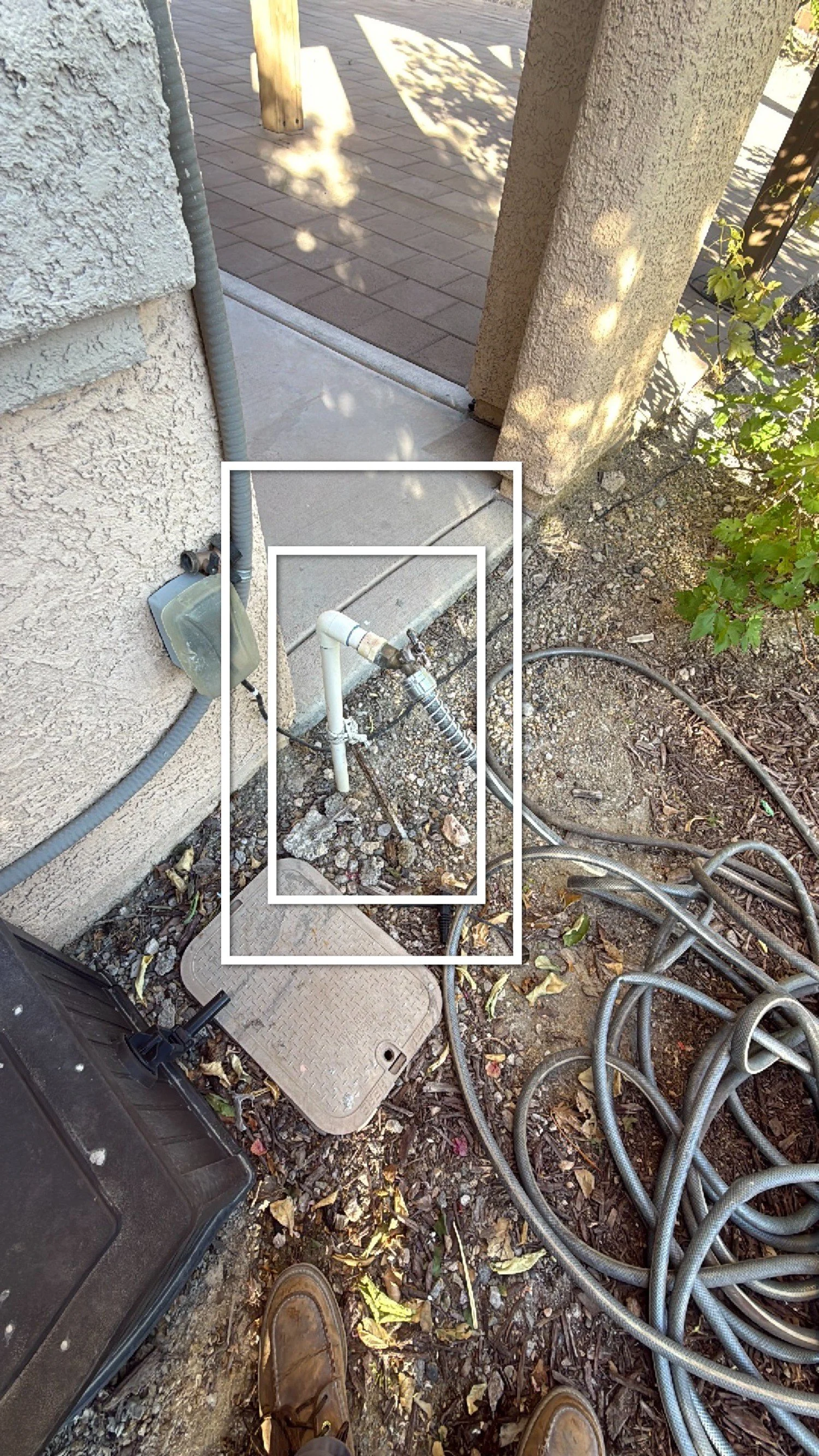
Unsupported Hose Bib Found During a Las Vegas Home Inspection
A loose exterior hose bib may seem minor, but movement at a plumbing connection is a common path to future leaks.
What This Means For You
Most homeowners notice a loose hose bib when they attach a hose and the faucet moves with it. The problem is not just the movement. The real concern is what that movement does behind the scenes.
If the hose bib is not secured properly, these everyday actions can create stress:
Pulling a hose around the yard while it is still attached
Twisting a hose connector on or off
Accidentally bumping the faucet with a trash can, ladder, or patio furniture
Seasonal use where the hose is frequently installed and removed
Over time, this repeated stress can loosen fittings, strain the pipe connection, and increase the chance of cracking or leaking. Even a slow leak inside an exterior wall can go unnoticed for a while, especially if it is not visible from inside the home.
Why It Matters
Water damage does not always come from dramatic floods. It often starts with a small leak that quietly keeps a wall or surrounding materials damp. If a hose bib connection begins leaking behind the wall, potential consequences can include:
Water loss and higher utility bills
Moisture damage to sheathing, framing, and insulation
Staining or deterioration at the exterior wall surface
Conditions that can support mold-like growth if the area stays damp
In Las Vegas, outdoor water connections are also commonly used for irrigation, washing cars, filling pools, or general yard maintenance. That frequent use increases wear and makes proper support even more important.
What We Typically Suggest Doing Next
For any home where an exterior hose bib feels loose or moves more than it should, the general next step is to have it properly secured so it stays rigid during normal use. A qualified plumber can typically:
Add bracing or a solid backing inside the wall
Secure the hose bib firmly to the structure
Confirm the connection is not already leaking or stressed
Test the fixture under pressure once it is supported
If there are any signs of staining, moisture, soft materials, or previous patching near the hose bib, it is also worth having the surrounding area checked to confirm there is no existing leak.
Main Takeaway for Las Vegas Home Buyers
A loose exterior hose bib may seem minor, but movement at a plumbing connection is a common path to future leaks. Securing the fixture to a stable backing helps prevent stress on the piping and reduces the risk of property damage later.
This is the kind of everyday, practical detail a thorough home inspection in Las Vegas can catch early. Identifying small improvements now can help prevent bigger repairs down the road, especially with plumbing fixtures that get used regularly.
