
Crooked Outlet Boxes Become Finished Wall Problems
A pre-drywall inspection in Las Vegas is the best time to catch small installation details before they get covered by drywall, texture, and paint. Some of the most frustrating “new home” issues are not major defects, they’re simple alignment problems that show up every time you look at the wall. A crooked electrical outlet box is a perfect example.
During a recent pre-drywall inspection, we found an electrical outlet box that was set crooked. At this stage, it may look like a minor issue that could be ignored. But once drywall goes up, that crooked box can lead to an outlet or cover plate that sits uneven on the finished wall, or feels loose and difficult to secure cleanly.
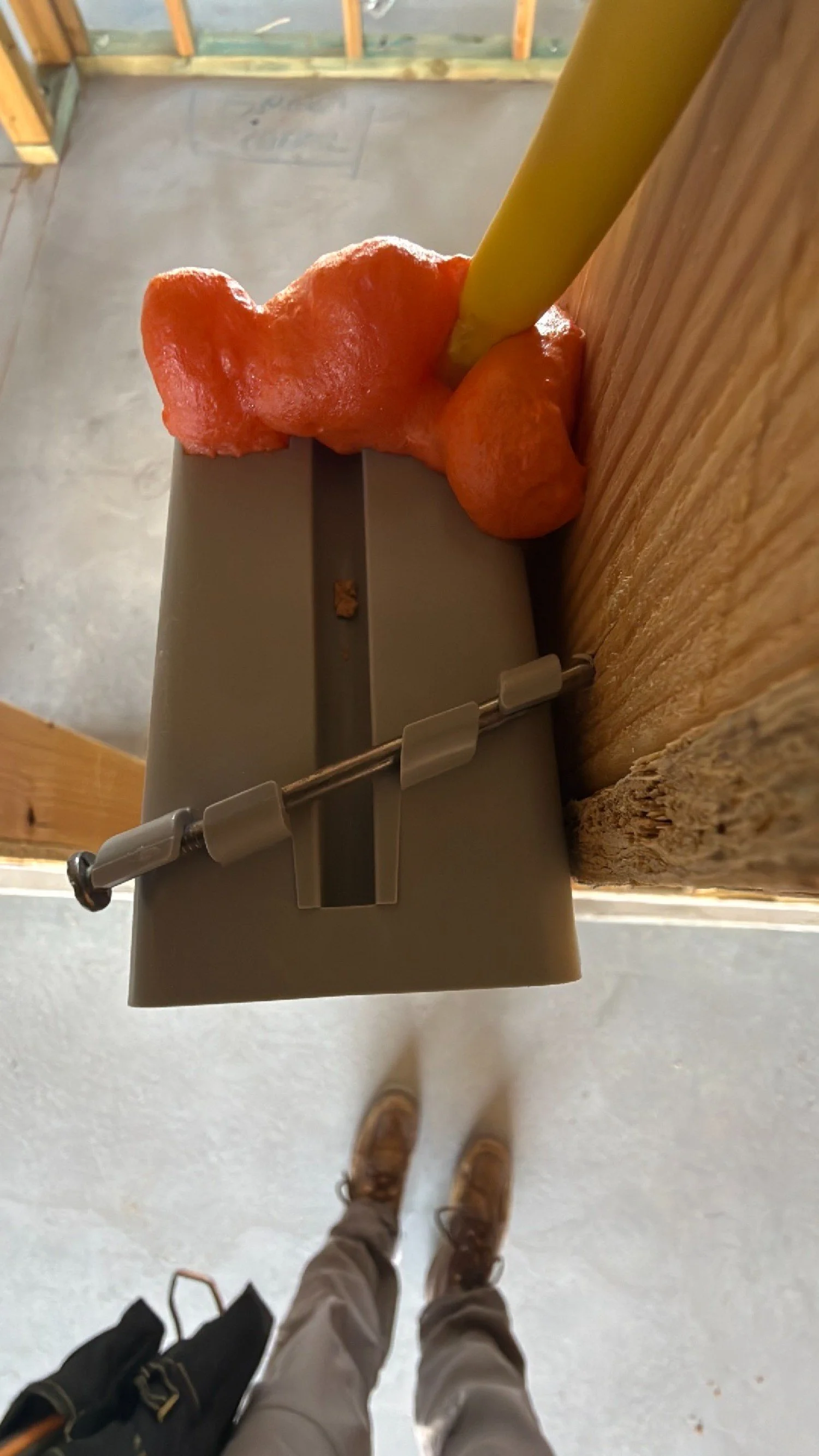
Las Vegas Pre-Drywall Inspection Find
Crooked outlet boxes can turn into visibly uneven outlets and loose-feeling wall plates after drywall goes up
What This Means For You
An outlet box is the base that holds the electrical device (outlet or switch) inside the wall. If that box is not installed straight and firmly secured, the finished outlet can end up looking and feeling “off,” even when everything is wired correctly.
Here are common signs homeowners notice after move-in:
The outlet cover plate looks tilted or does not sit flat on the wall
The outlet feels loose when plugging something in or unplugging it
Gaps show around the cover plate because the box is not aligned
The device sits slightly recessed or proud, making the finish look sloppy
This is especially noticeable in areas with clean trim lines, backsplash tile, or modern finishes where everything is supposed to look sharp and square.
Why it Matters
Crooked outlet boxes are often more than just a cosmetic annoyance. If the box is not secured properly, the outlet can shift when it’s used. Over time, that repeated movement can:
Loosen mounting screws and cause the device to wobble
Crack or stress the cover plate
Create frustration and “cheap” feel in an otherwise new home
And while this usually isn’t a safety issue by itself, it can turn into a bigger headache if the outlet ends up difficult to fasten, or if drywall installers have to work around a box that’s not sitting correctly.
The biggest reason to address it now is simple: drywall changes everything. Once the wall is closed, correcting the alignment may require loosening the box, cutting drywall, patching, retexturing, and repainting. That is a lot of work for something that is typically quick to fix while the framing is still exposed.
What We Typically Suggest Doing Before Drywall
For any new construction home where an outlet box is visibly crooked or not well supported, it is generally best to have it corrected before drywall installation.
What this usually involves:
Straightening the outlet box so it sits level and plumb
Securing it firmly to framing or an approved support bracket
Confirming the box depth is appropriate so the device will sit correctly once drywall is installed
Checking nearby boxes in the same area to make sure the issue is not repeated
This is a quick fix at the rough-in stage, and it helps the finished product look cleaner and feel more solid.
Main Takeaway for Las Vegas Home Buyers
Crooked outlet boxes can turn into visibly uneven outlets and loose-feeling wall plates after drywall goes up. It’s the kind of small detail that is easy to correct early and much harder to fix later without patching and paint.
If you’re building a home, a pre-drywall inspection in Las Vegas helps catch issues like this at the right stage, when your builder can address them quickly and cleanly. If you want a Las Vegas home inspector to review the home before the walls close up, scheduling a pre-drywall inspection is one of the best ways to avoid small but annoying surprises after move-in.
