
New Construction Inspections in Las Vegas: When to Schedule Them and Why It Matters
Buying a brand-new home in Las Vegas is exciting, but “new” does not always mean “perfect.” The best way to protect yourself is to get your home inspected throughout the building process, not just at the end. As a home inspector in Las Vegas, I see issues that are easy to fix early, but become expensive (or impossible) once drywall goes up or once you move in.
Below is a simple breakdown of how to schedule new construction inspections, what to expect, and why timing matters.
What This Means For You
Before we even talk about the inspection stages, there is one step that can make your life much easier.
When you go under contract, the builder will have you sign a large stack of paperwork. Somewhere in that paperwork is often a checkbox asking if you want to hire your own third-party inspector. We recommend checking that box and selecting yes.
If you miss it, you can still usually get inspections done, but it may add friction later. The builder may require extra steps, extra approvals, or more back-and-forth to allow your inspector on site. The main takeaway is simple: watch for that checkbox early and check it.
Why it Matters
New construction inspections are not just about catching “big” problems. They are also about catching small details at the right time. The earlier an issue is found, the easier and cheaper it tends to be to correct. Once a wall is closed up, the builder may be much less willing to open it back up, even if the problem started during framing.
That is why we recommend thinking of new construction inspections as a process with three key inspection points.
The Three New Construction Inspections in Las Vegas
1) Pre-Drywall Inspection
This inspection happens before insulation and drywall go up. At this stage, we typically check:
Framing and visible structure
Plumbing lines and rough plumbing
Electrical and visible wiring
HVAC and mechanical components
Roof and exterior (if completed at that point)
Scheduling note: builders often require two to four weeks notice. This is usually because they want time to review your inspector’s license and insurance paperwork before granting site access. The scheduling window can be flexible because construction timelines shift, so expect a date range rather than one exact day until it gets closer.
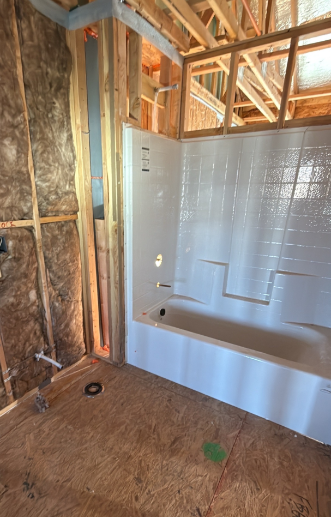
Pre-Drywall Inspections
The scheduling window can be flexible because construction timelines shift, so expect a date range rather than one exact day until it gets closer.
2) Pre-Closing Inspection
This one is done before your blue tape walkthrough and before you close. This is a valuable stage because the home is mostly complete, and you can identify problems before you take ownership.
Scheduling note: plan for two to four weeks notice here as well. The date is usually more firm than pre-drywall because the builder is on a timeline to get you closed and moved in.
One big benefit: at this stage, the builder has a harder time blaming the homeowner. You have not moved in yet, so if something is damaged, missing, or not working correctly, it is much easier to push for it to be corrected before closing.
3) 11 Month Builder Warranty Inspection
This inspection is typically done around month 11 (or close to the end of the first-year warranty period). By then, you have lived in the home long enough for issues to show up.
This inspection often focuses on things like:
Items that settled, shifted, or cracked after move-in
Doors, windows, and hardware that no longer operate correctly
Drainage, leaks, or performance issues you may not notice right away
General warranty items you want documented before coverage expires
Scheduling is usually up to you since you are already living there. Many clients choose morning or midday appointments to take advantage of daylight.
Main Takeaway for Las Vegas Home Buyers
If you can only choose one inspection, we recommend the pre-drywall inspection. Issues found early are the ones most likely to get ignored later because fixing them can require opening walls. After that, the next best choice is the pre-closing inspection because you typically have the most leverage before the builder has your money and before they can claim you caused the damage.
If you are building a home and want help choosing the right inspection timing, reach out to a home inspector in Las Vegas who performs new construction and pre-drywall inspections. Catching problems early is one of the easiest ways to protect your investment in a new build.
